Activity 1.1 Using Anatomical Terms to Describe Body Organization
14 Describe the anatomical position and how you should view sectional images. Understand and be able to explain the concept of homeostasis and describe the roles of negative and positive feedback in regulating body functions.

Larynx From Above Human Body Lesson Plans Human Body Lesson Medical Illustration
By the end of this activity you should be able to.

. Human Body Learning Outcomes 11 Briefly describe the difference between anatomy and physiology. Describe and demonstrate the standard anatomical position. Name the membranes associated with the thoracic and abdominopelvic cavities.
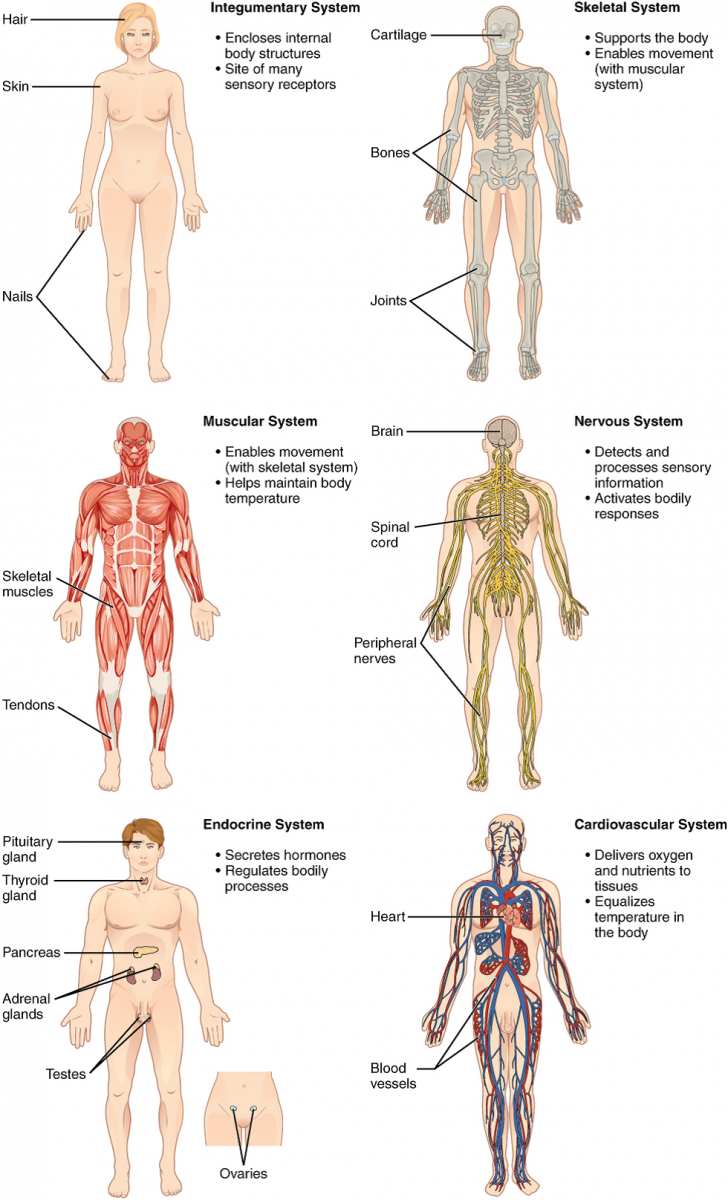
Identify the functional characteristics of human life. Explain the meaning of the underlined anatomical terms in the following sentences. Describe the general functions of each organ system.
Locate and properly use the terms that describe relative positions body sections and body regions. Refer to Table 11. Body cavities hollow spaces within the human body that contain internal organs.
13 Explain how to approach complex concepts with multiple parts. __1_ Introduction of the Human Body Anatomy and Physiology are two subdivisions of biology that describe how our bodies are put together and how they work. These terms are essential for describing the.
Use proper anatomical terminology to describe body regions orientation and direction and body planes. Terminology Body Organization and the Metric System. 1 1 Objectives 1.
Describe the anatomical position 2. A The dorsal cavity. Describe the anatomical position.
In the anatomical position the human body is erect with head and toes pointed forward and arms hanging at the sides with palms facing forward see Figure 3. Exercise 1 The Language of Anatomy and Organization of the Human Body OBJECTIVES. Use anatomical and directional terms correctly.
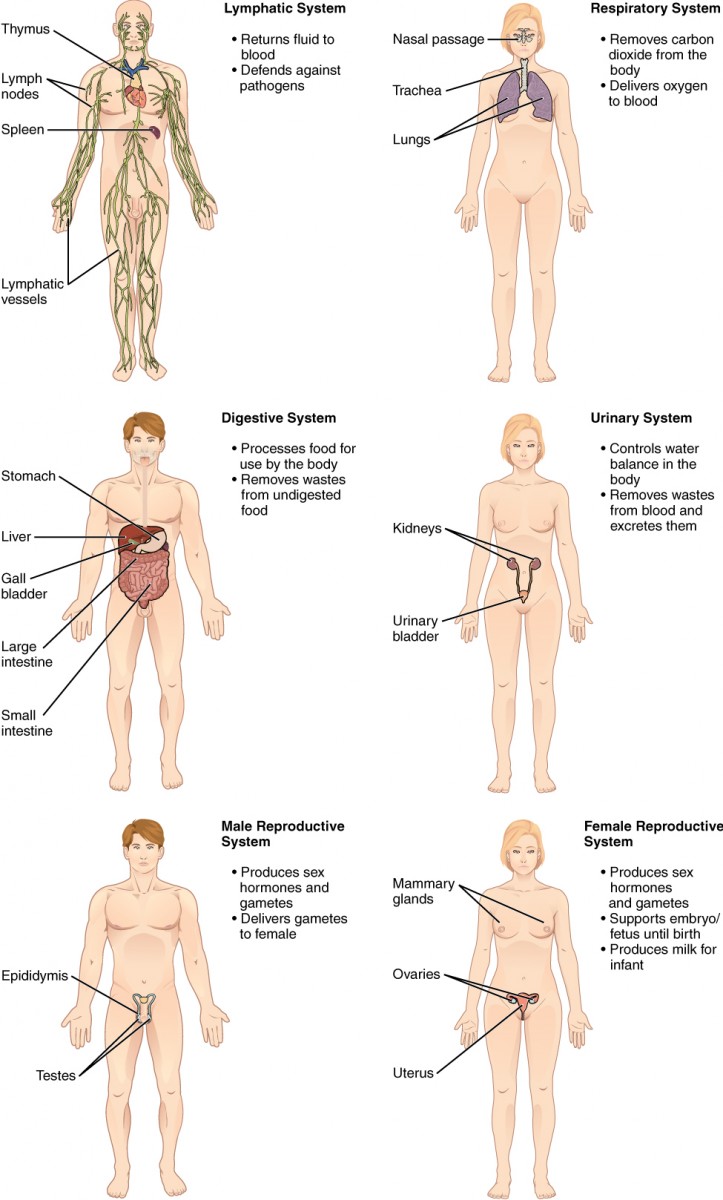
Identify and describe the 11 organ systems of the body. OrganismAll the body systems functioning together. Up to 24 cash back When doctors refer to specific areas of the human body they do so relative to a standard position called the anatomical position.
111 Objectives of the Laboratory At the end of the module the student should be able to. 11 Overview of Anatomy and Physiology. If you have not already done so read the text of the lab and answer the questions you encounter.
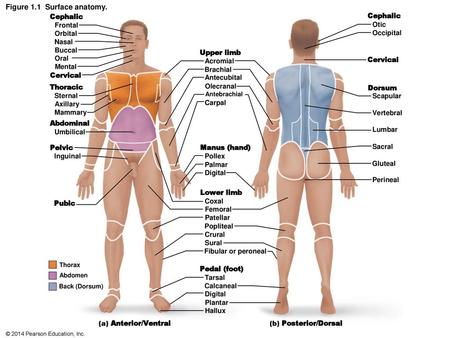
You will be able to describe the bodys regions using the terms from the figure. Differentiate between prone and supine positions for the purpose of MR and CT scanning. Mouth oral Head cephalicfacial23.
Identify the 3 fundamental axes and planes of the body. Locate the major body cavities. Certain directional anatomical terms appear throughout this and any other anatomy textbook Figure 113.
Located toward the front of the body is. A feedback systemis a cycle of events in which the status of a body condition is monitored evaluated changed remonitored reevaluated and so on. Learn ANATOMICAL POSITION and the directional terms shown in the figure on page 2.
Identify the 11 organ system of the human body and describe the major functions of each. Name the body cavities and the major organs located in each 4. The body regulates its internal environment using feedback systems.
Before you begin to study the different structures and functions of the human body it is helpful to consider its basic architecture. DONT TEAR OUT PAGES AND ATTEMPT TO TURN THEM IN 2. Start with Activity 11.
Up to 24 cash back Unit 1 Organization of the Human Body Part 1 The Human Body. CEBU DOCTORS UNIVERSITY SENIOR HIGH SCHOOL HUMAN ANATOMY Name. Identify the major body cavities using proper anatomical terms.
Use appropriate anatomical terminology to identify key body structures body regions and directions in the body. In the past anatomy has primarily been studied via observing injuries and later by the dissection of anatomical structures of cadavers but in the past century computer-assisted imaging techniques have allowed clinicians to look inside the living body. Label Figure 11 with the appropriate anatomical terms for each body region or area.
Human anatomy is the scientific study of the bodys structures. However the purpose of this. Describe the human body using directional and regional terms.
Introduction to Anatomy AP Chapter 11 14 15 D. Distinguish between anatomy and physiology and identify several branches of each. Using Anatomical Terms to Describe Body Organization 1.
Describe the anatomical position and explain its importance. After studying this chapter you will be able to. Table 11 can help.
Organization of the Human Body. Anatomy is the study of the structure and shape of the body and body parts and their. Identify three planes most commonly used in the study of anatomy.
Demonstrating the Anatomical Position. Use correct anatomical terms to. That is how its smallest parts are assembled into larger structures.
Explain the biological levels of organization. It is convenient to consider the structures of the body in terms of fundamental levels of organization that increase in complexity such as from smallest to largest. Name and identify the abdominopelvic quadrants and 9 abdominopelvic regions 5.
Laboratory Exercise and Activity. O Use specific consistent anatomical terms to describe regions of the body body planes and sections and directions relating to body regions o Define the human anatomical position and state its importance to. REVIEW SHEET EXERCISE 1 Name Body Organization and Terminology Lab Section Date Describe what is meant by the anatomical position.
Describe the structure of the body from simplest to most complex in terms of the six levels of organization. Identify body planes and sections on models charts or preserved specimens. Anterior View and Posterior View.
Anatomists and health care providers use terminology that can be bewildering to the uninitiated. Explain the concept of homeostasis and discuss the roles of negative feedback and positive feedback in maintaining homeostasis. 12 Describe how to use the text and art together to master learning.
Organ systemTwo or more organs which function together for a common purpose Ex. Describe body orientation direction planes and sections using anatomical terminology 3. Digestive system includes the liver stomach intestines pancreas and salivary glands.
In the arm the biceps brachii muscle lies anterior to the brachialis. Maintenance of Body Name __ System I mu n e System Respi ratoy System _ System U ria ySst Organs Heartblod vessels blood L ym ph nod es thymus spleen N ar x larynx trachea lungs Mout h parynx esophagus stomach small large intestine rectum _ and urinary bladder Function _. B The ventral cavity.
Name the body cavities and indicate the important organs in each cavity. Located toward the back of the body is divided into the cranial cavity which holds the brain and vertebral or spinal cavity which holds the spinal cord.

Mastering A P Chapter 1 The Human Body Flashcards Quizlet
Standard Anatomical Body Position Ppt Video Online Download

1 4 Anatomical Terminology Anatomy Physiology
Lab 1 Human Body Organization Anatomy And Physiology I Lab
Muscular System Activity Set Muscular System Muscular System Activities Muscular System For Kids

Mastering A P Chapter 1 The Human Body Flashcards Quizlet

Pin By Colleen Kriksciun Corcoran On Biology Of The Body Brain Parts Brain Anatomy Human Brain Parts
2
Anatomy And Physiology Anatomical Position And Directional Terms
Lab 1 Human Body Organization Anatomy And Physiology I Lab
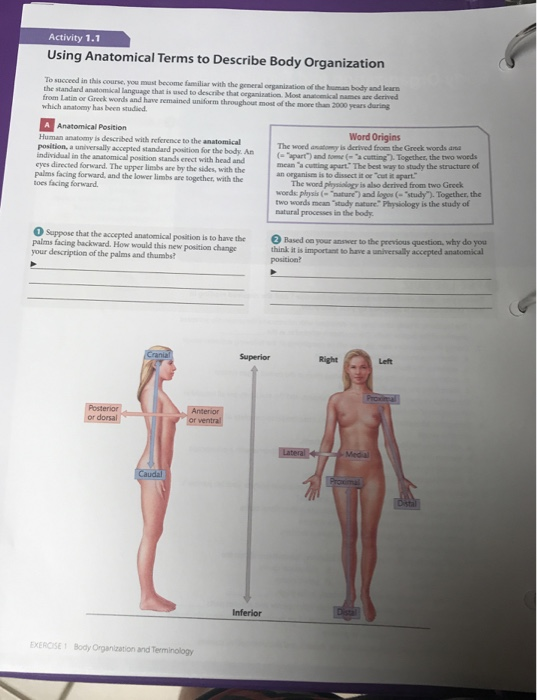
Solved Activity 1 1 Using Anatomical Terms To Describe Body Chegg Com

1 2 Structural Organization Of The Human Body Anatomy Physiology

1 4 Anatomical Terminology Anatomy Physiology

1 2 Structural Organization Of The Human Body Anatomy Physiology
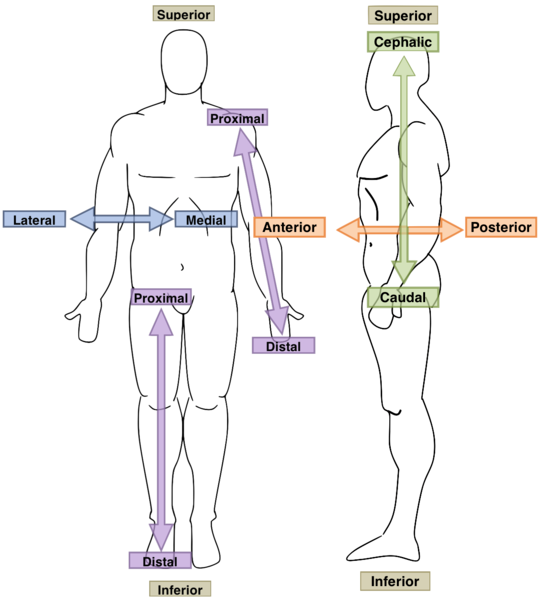
1 2 Anatomical Position And Planes Biology Libretexts

1 4 Anatomical Terminology Anatomy Physiology
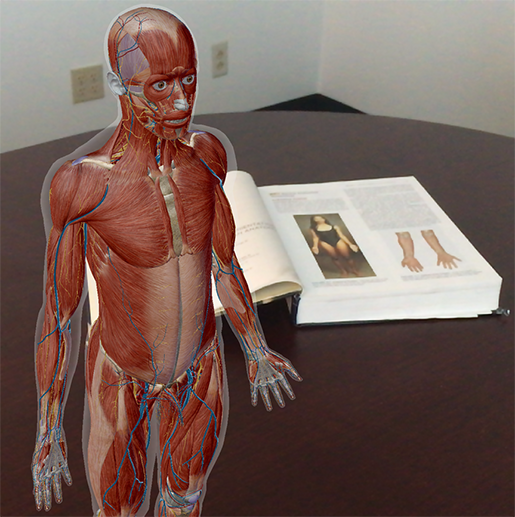
Anatomy And Physiology Anatomical Position And Directional Terms

Anatomical Vocabulary Human Anatomy And Physiology Lab Bsb 141
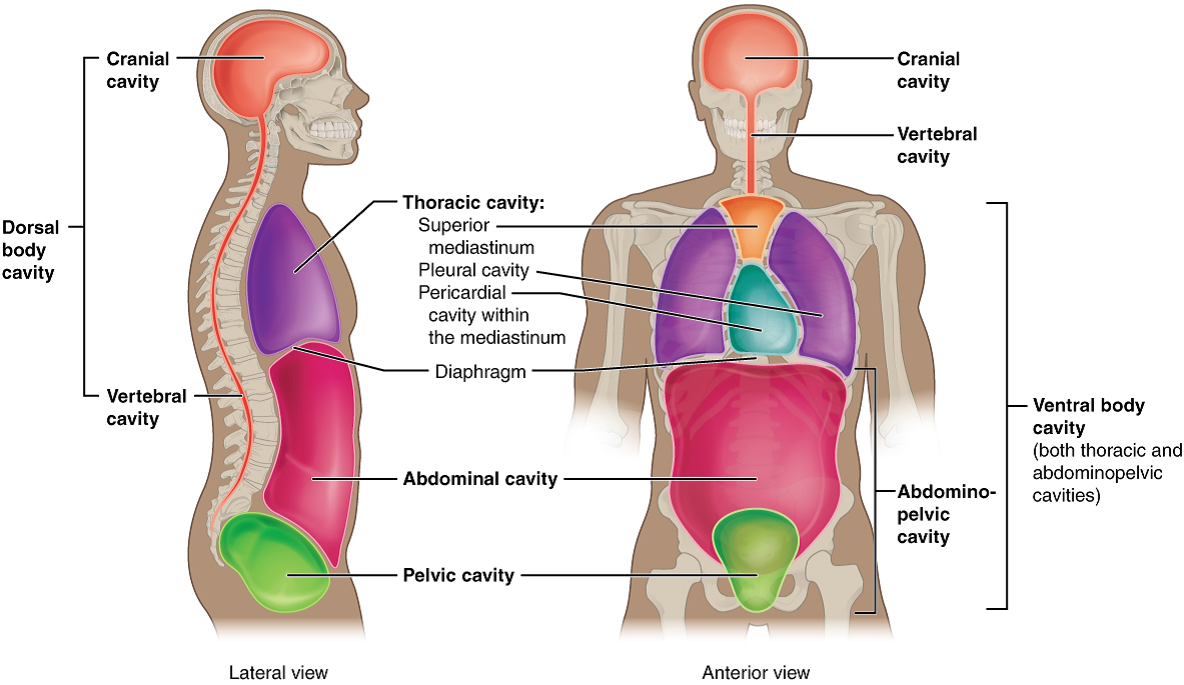
Lab 1 Human Body Organization Anatomy And Physiology I Lab


Comments
Post a Comment